The study of plate tectonics is a fundamental aspect of geology, as it helps us understand the dynamic nature of the Earth’s surface. The movement of tectonic plates is responsible for shaping our planet’s landscape, creating mountains, volcanoes, and earthquakes. One of the key concepts in plate tectonics is the idea of plate boundaries, which are the areas where two or more plates meet. These boundaries can be divergent, convergent, or transform, each with distinct characteristics and effects on the surrounding environment.
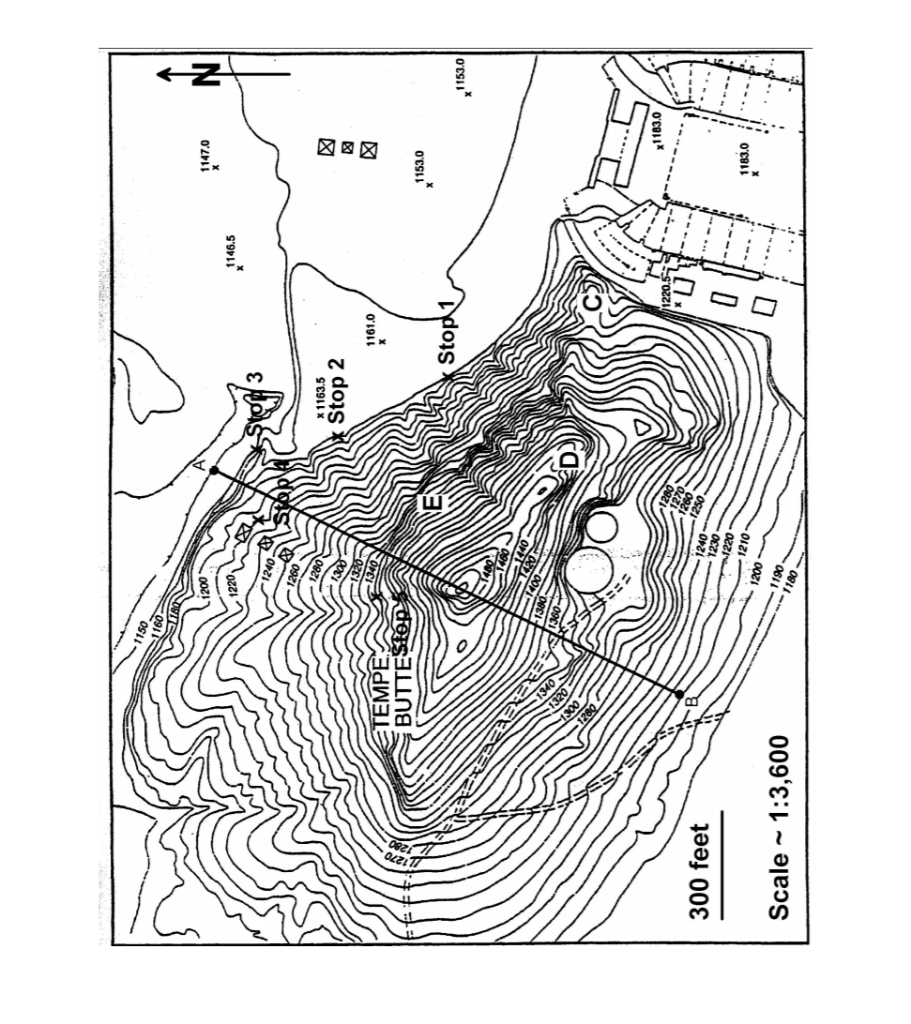
When examining a map, such as the one provided for question #3 on the worksheet, it’s essential to be able to identify the different types of plate boundaries. This requires a basic understanding of the characteristics of each boundary type, as well as the ability to analyze the map and recognize the features that distinguish one boundary from another. In this case, we’re focused on the letter ‘F’, which marks a specific location on the map where two plates intersect.
LIVE BLOG CMS School Assignment Public Hearing
Understanding Plate Boundaries
To understand the type of plate boundary that exists at letter ‘F’, we need to consider the characteristics of each boundary type. Divergent boundaries are marked by the creation of new crust as two plates move apart, while convergent boundaries involve the collision of two plates, resulting in subduction or mountain building. Transform boundaries, on the other hand, involve the horizontal movement of two plates sliding past each other. By analyzing the map and the features surrounding letter ‘F’, we can determine which type of boundary is present.
LIVE BLOG CMS School Assignment Public Hearing
Identifying the Type of Plate Boundary at Letter ‘F’
Upon examining the map, we can see that the letter ‘F’ marks a location where two plates are moving apart, with new crust being created in the process. This indicates that the type of plate boundary at letter ‘F’ is a divergent boundary. This type of boundary is characterized by the presence of mid-ocean ridges, where new oceanic crust is being formed as magma rises from the Earth’s mantle and solidifies. The map shows a clear example of a divergent boundary, with the two plates moving apart and new crust being created at the boundary.
The Importance of Plate Tectonics in Geology
The study of plate tectonics and the identification of plate boundaries is crucial in geology, as it helps us understand the processes that shape our planet. By recognizing the different types of boundaries and their characteristics, we can gain insights into the Earth’s history and the forces that have shaped its surface. The importance of plate tectonics extends beyond the field of geology, as it also has implications for natural hazard assessment, resource management, and environmental monitoring.
PES Skill Sheets Book Capital High School
In conclusion, the type of plate boundary that exists at letter ‘F’ on the map for question #3 on the worksheet is a divergent boundary. This boundary is marked by the creation of new crust as two plates move apart, resulting in the formation of mid-ocean ridges. By understanding the characteristics of each boundary type and analyzing the map, we can confidently identify the type of boundary present at letter ‘F’. This knowledge is essential for advancing our understanding of plate tectonics and the dynamic nature of the Earth’s surface.
Plate Tectonics Lab Directions Worksheet For Quiz Prep Studocu
Earth Sciences Archive April 17 2019 Chegg