Business communication is a crucial aspect of any organization, and writing effective business letters is an essential skill for professionals. A well-written business letter can convey a company’s message, build relationships, and establish a positive reputation. However, the tone and language used in business letters can vary greatly, and it’s essential to understand the differences between formal and informal business letters.
In today’s digital age, business communication has become more convenient and accessible. With the rise of email and instant messaging, the traditional business letter has evolved, and the lines between formal and informal communication have become blurred. Nevertheless, the fundamental principles of business letter writing remain the same, and understanding the nuances of formal and informal communication is vital for effective business communication.
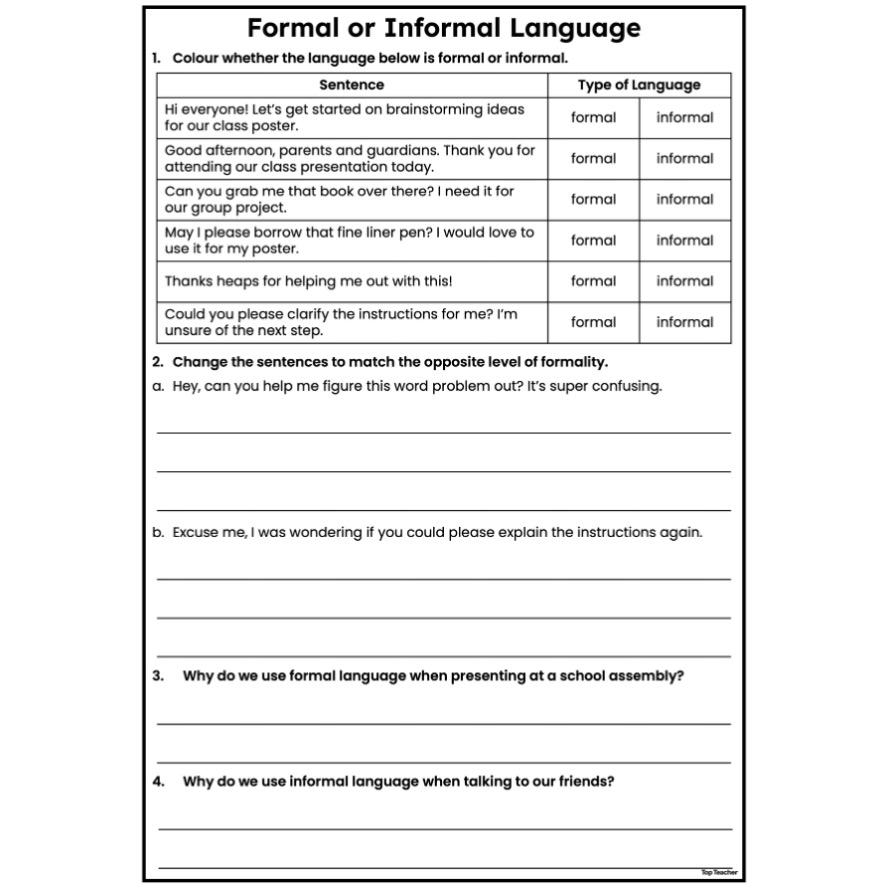
Formal Or Informal Language Worksheets Top Teacher
Understanding Formal and Informal Business Letters
When it comes to business letters, the tone and language used can greatly impact the recipient’s perception of the message. Formal business letters are typically used for official communications, such as job applications, business proposals, and contracts. They require a professional tone, proper grammar, and a formal structure. On the other hand, informal business letters are used for more casual communications, such as emails to colleagues or clients. They can be more conversational in tone and may not require the same level of formality.
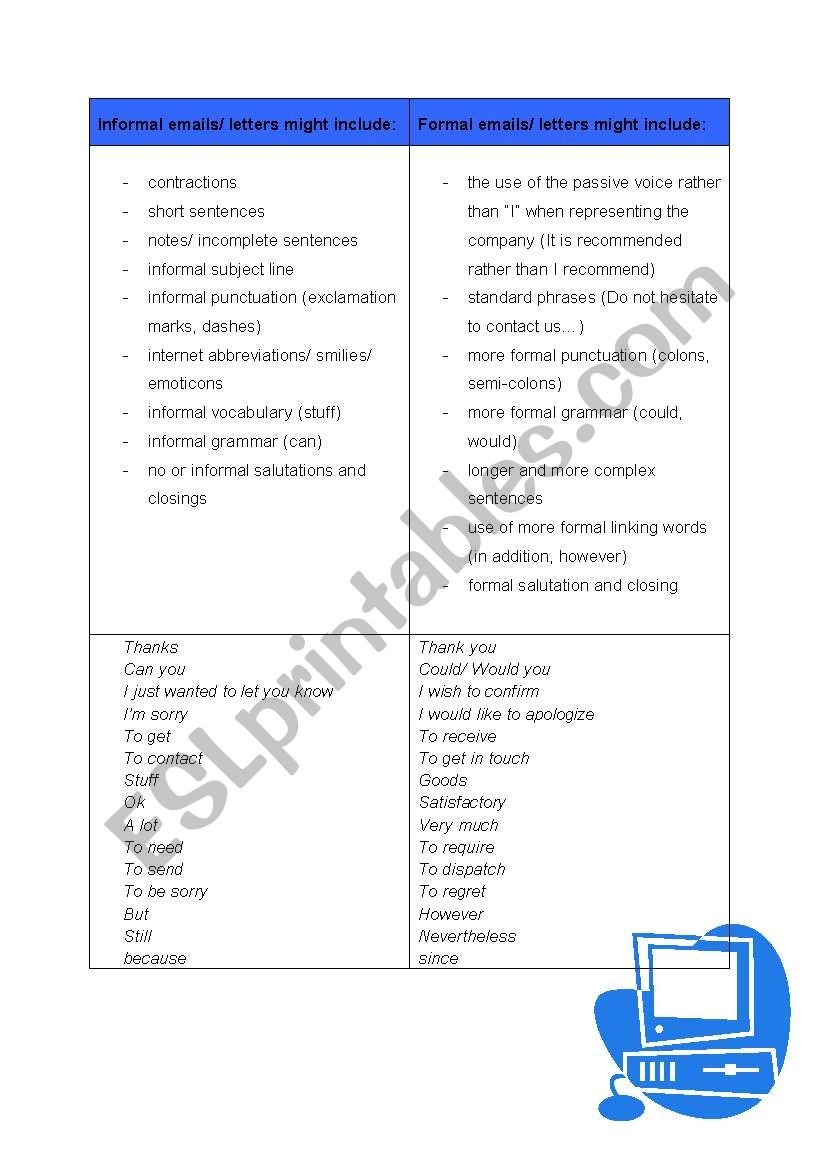
Formal Vs Informal Business Emails Letters ESL Worksheet By Sina019
Key Differences in Tone and Language
One of the key differences between formal and informal business letters is the tone and language used. Formal business letters tend to be more objective, avoiding contractions and colloquialisms, while informal business letters can be more subjective and conversational. The language used in formal business letters is often more complex and technical, while informal business letters may use simpler language and a more relaxed tone. Understanding these differences is crucial for effective business communication, as using the wrong tone or language can lead to misinterpretation or offense.
Creating Effective Business Letters with Worksheets
Creating effective business letters can be challenging, especially for those who are new to business communication. Using worksheets and templates can help to guide the writing process and ensure that all the necessary elements are included. A business letter worksheet can provide a structure for the letter, outlining the key components, such as the introduction, body, and conclusion. By using a worksheet, writers can ensure that their business letters are well-organized, clear, and concise, and that they convey the intended message effectively.
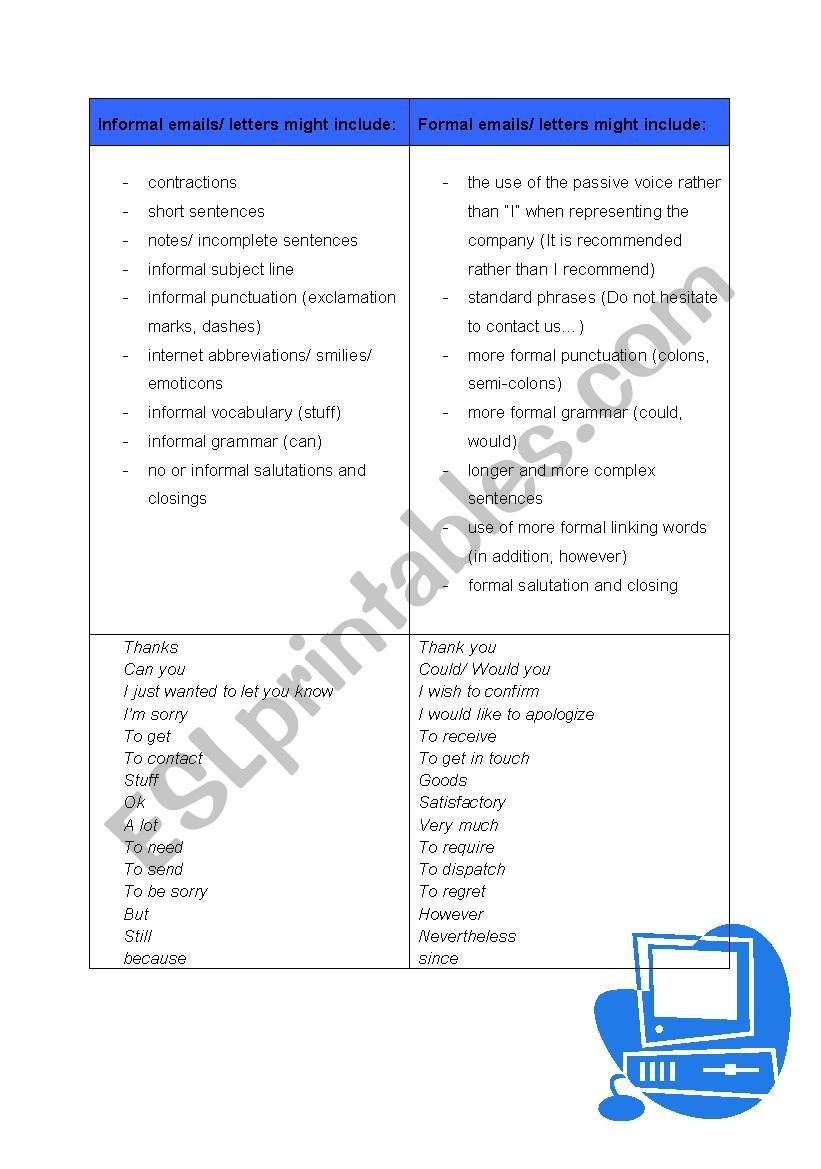
Formal Vs Informal Business Emails Letters ESL Worksheet By Sina019
In conclusion, mastering the art of business letter writing is essential for effective communication in the business world. By understanding the differences between formal and informal business letters, and using worksheets and templates to guide the writing process, professionals can create effective business letters that convey their message and build strong relationships with clients and colleagues. Whether writing a formal business letter or an informal email, the key to success lies in understanding the audience, using the right tone and language, and conveying the message clearly and concisely.
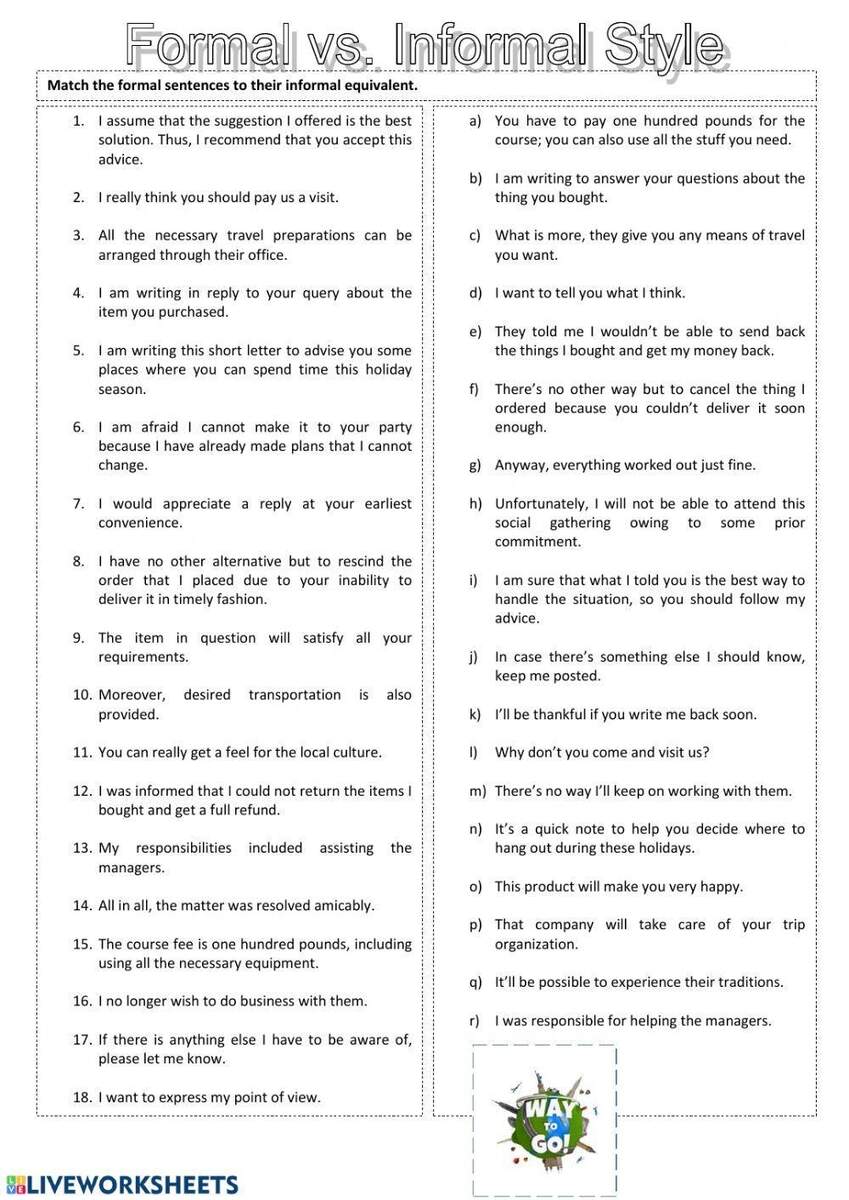
Formal Vs Informal Style 2 Worksheet Worksheets Library
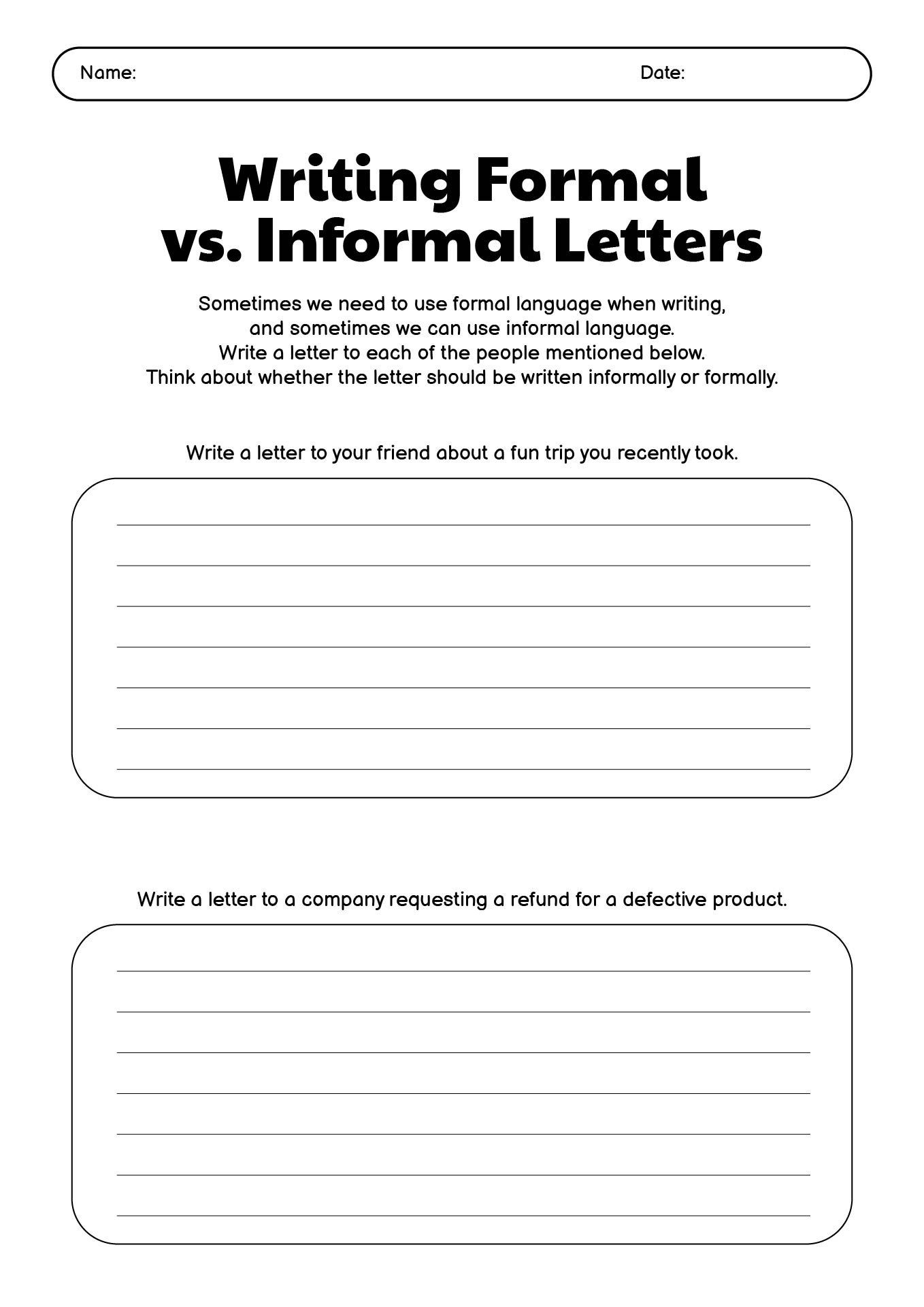
14 Parts Of A Business Letter Worksheet Free PDF At Worksheeto