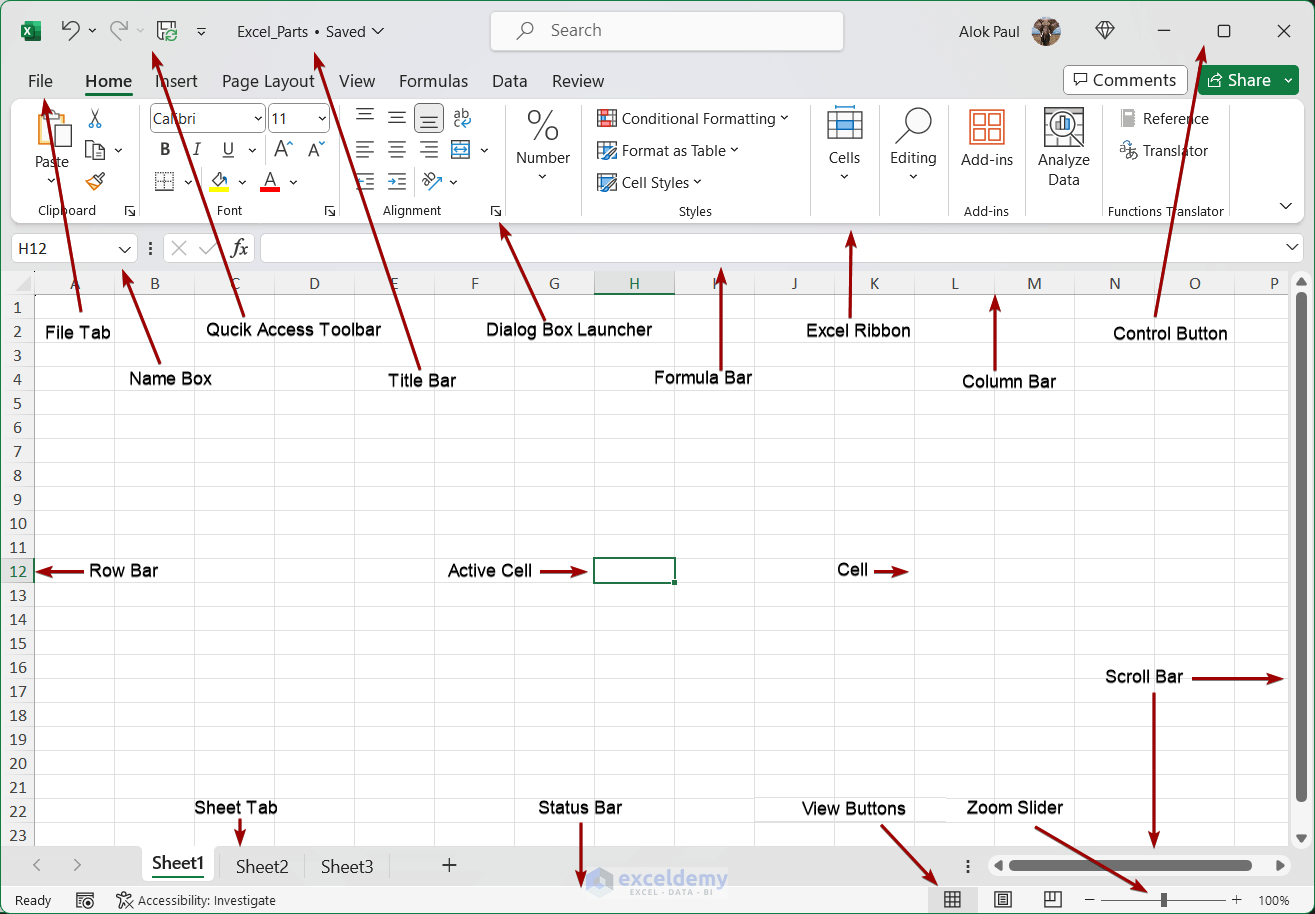
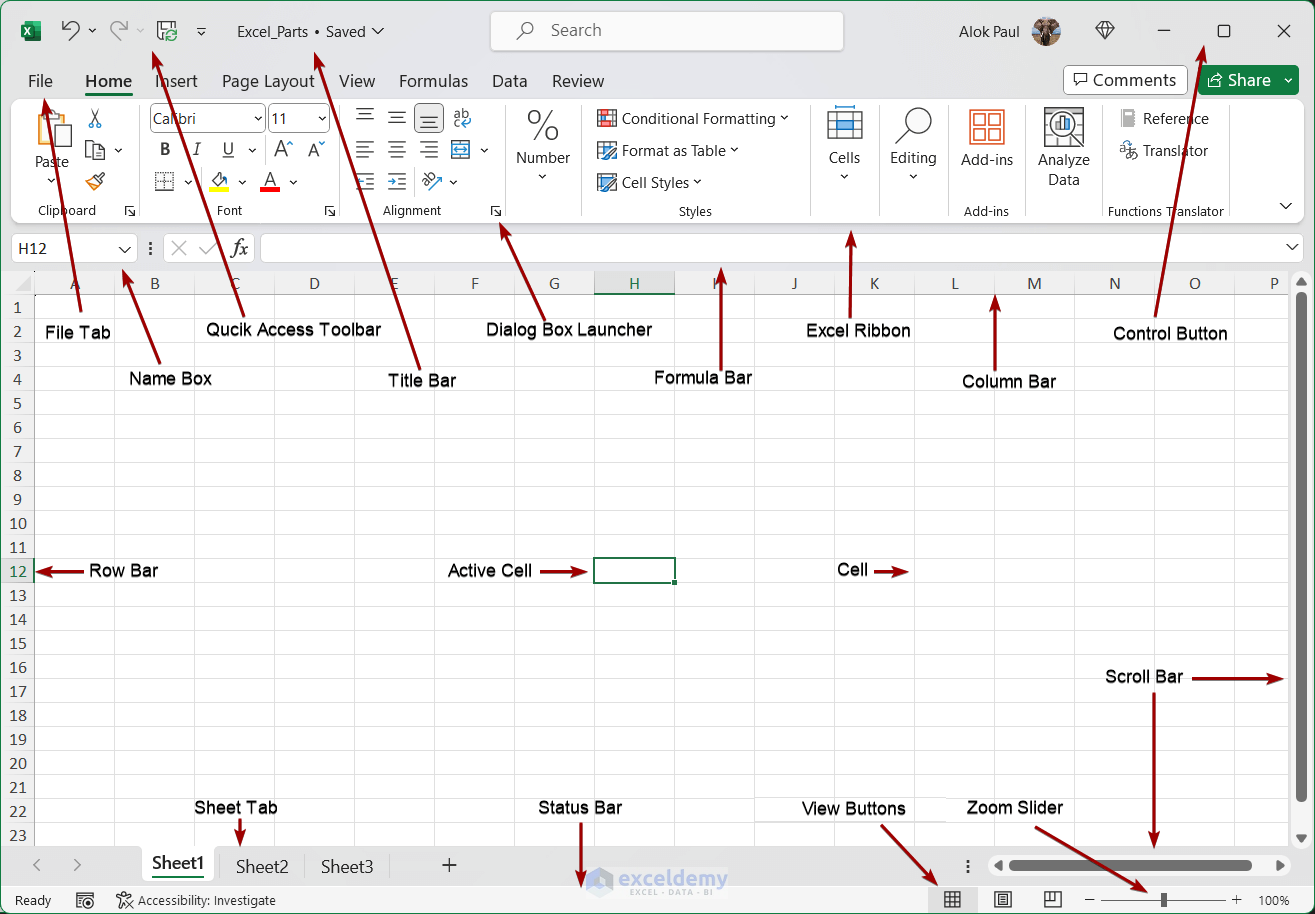
When working with worksheets, you may have noticed the boxes with letters across the top. These boxes are not just random labels, but they serve a specific purpose in helping you organize and analyze your data. The boxes with letters across the top are known as column headings, and they play a crucial role in making your worksheet more readable and understandable.
Column headings are essential in worksheets because they provide a clear and concise way to identify and distinguish between different columns of data. Without column headings, it would be challenging to make sense of the data in your worksheet, especially when dealing with large datasets. By using column headings, you can easily identify patterns, trends, and correlations within your data, making it easier to draw conclusions and make informed decisions.
Understanding Excel Parts And Components ExcelDemy
What are Column Headings?
Column headings are the labels that appear at the top of each column in a worksheet. They are usually denoted by letters, such as A, B, C, and so on. These headings help to identify the type of data that is contained in each column, making it easier to navigate and analyze the data. For example, if you have a worksheet with customer data, the column headings might include labels such as ‘Name’, ‘Address’, ‘Phone Number’, and ‘Email’.
Understanding Excel Parts And Components ExcelDemy
Importance of Column Headings in Data Analysis
The importance of column headings in data analysis cannot be overstated. By using clear and descriptive column headings, you can ensure that your data is well-organized and easy to understand. This, in turn, enables you to perform more accurate and efficient data analysis, which is critical in making informed business decisions. Additionally, column headings help to reduce errors and inconsistencies in your data, which can save you time and resources in the long run.
How to Effectively Use Column Headings in Your Worksheet
To effectively use column headings in your worksheet, you should ensure that they are clear, concise, and descriptive. Avoid using ambiguous or confusing labels, and make sure that each column heading is unique and distinguishable from the others. You should also use a consistent naming convention throughout your worksheet to avoid confusion. By following these best practices, you can create a well-organized and easy-to-use worksheet that will help you to achieve your data analysis goals.
How To Add A Header Row In Excel 5 Simplest Methods
In conclusion, column headings are a vital component of any worksheet, and they play a critical role in data organization and analysis. By understanding the purpose and importance of column headings, you can create more effective and efficient worksheets that will help you to achieve your goals. Whether you are a beginner or an experienced user, mastering the use of column headings is essential for getting the most out of your worksheets and making informed decisions based on your data.
How To Add A Header Row In Excel 5 Simplest Methods
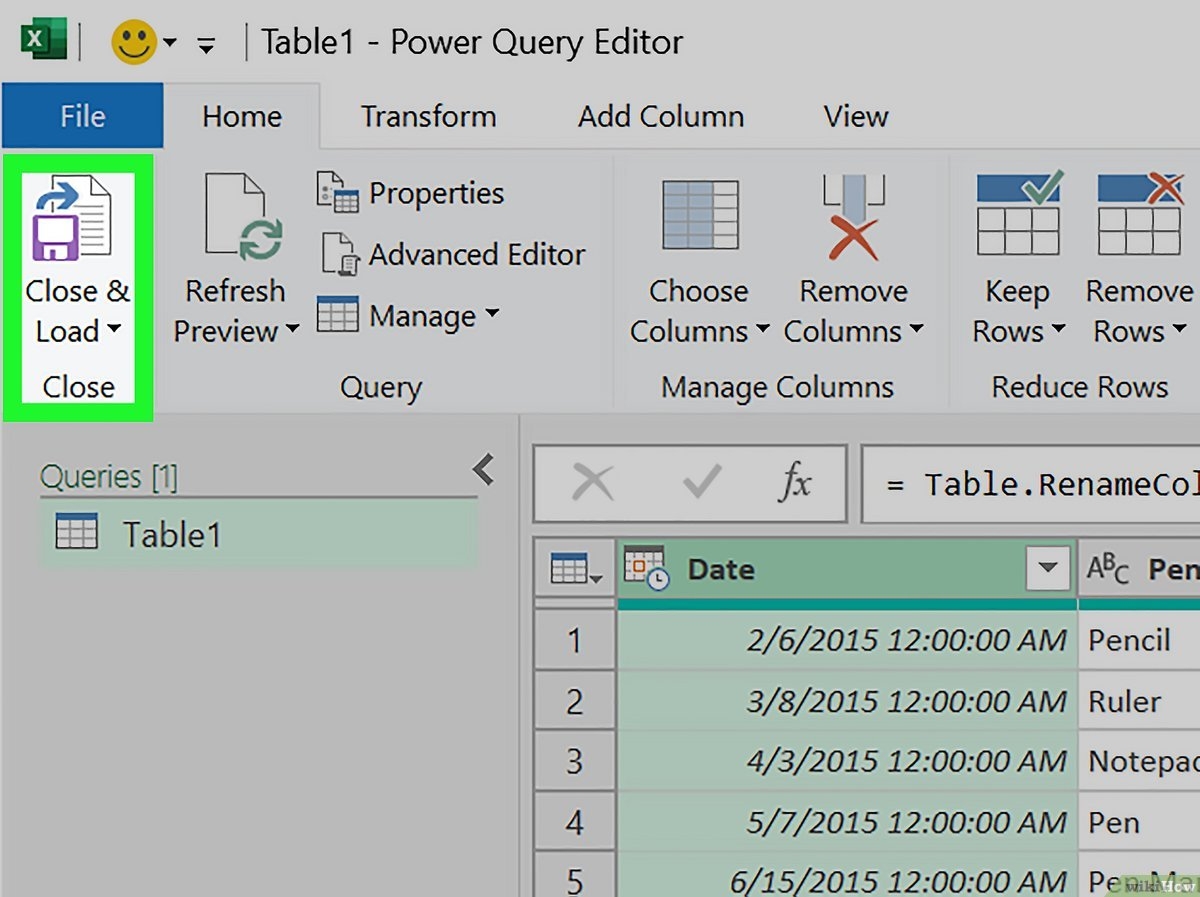
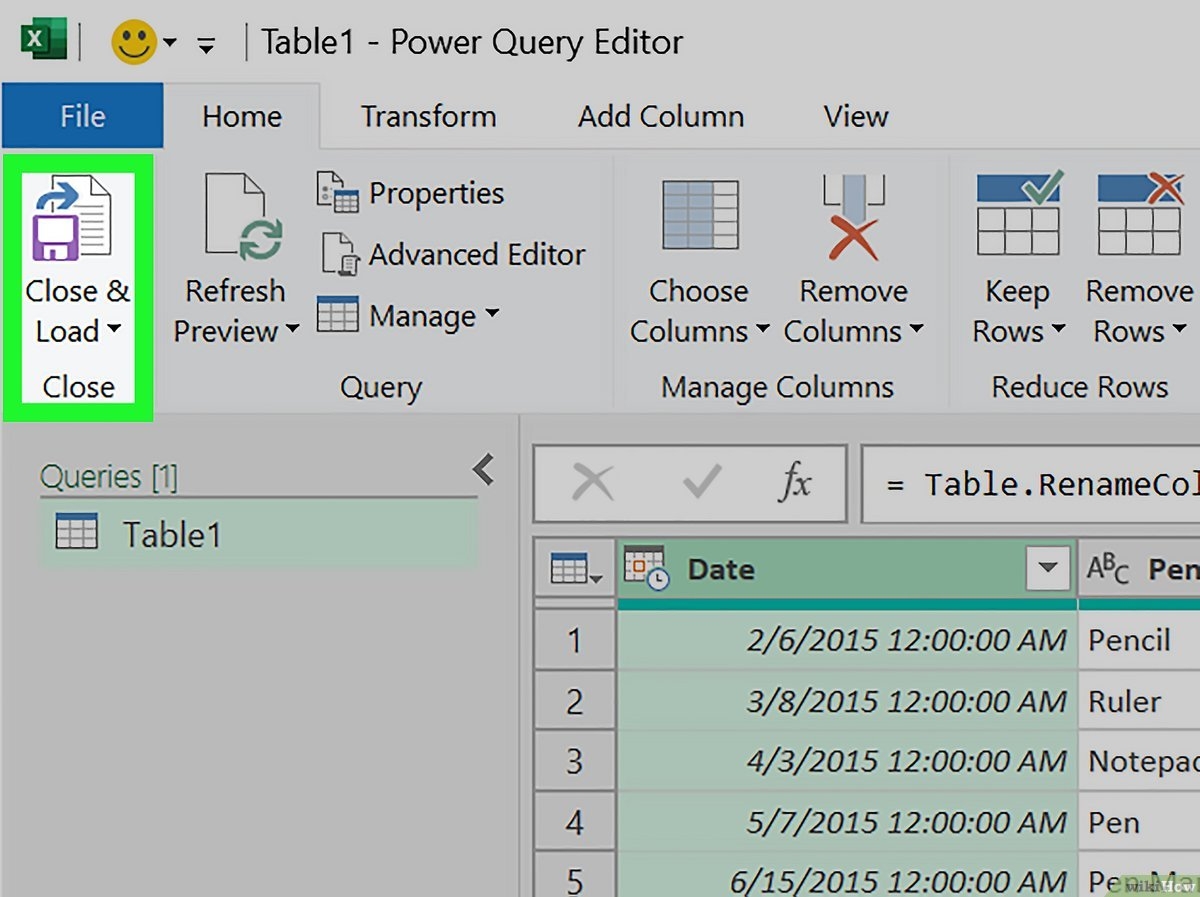
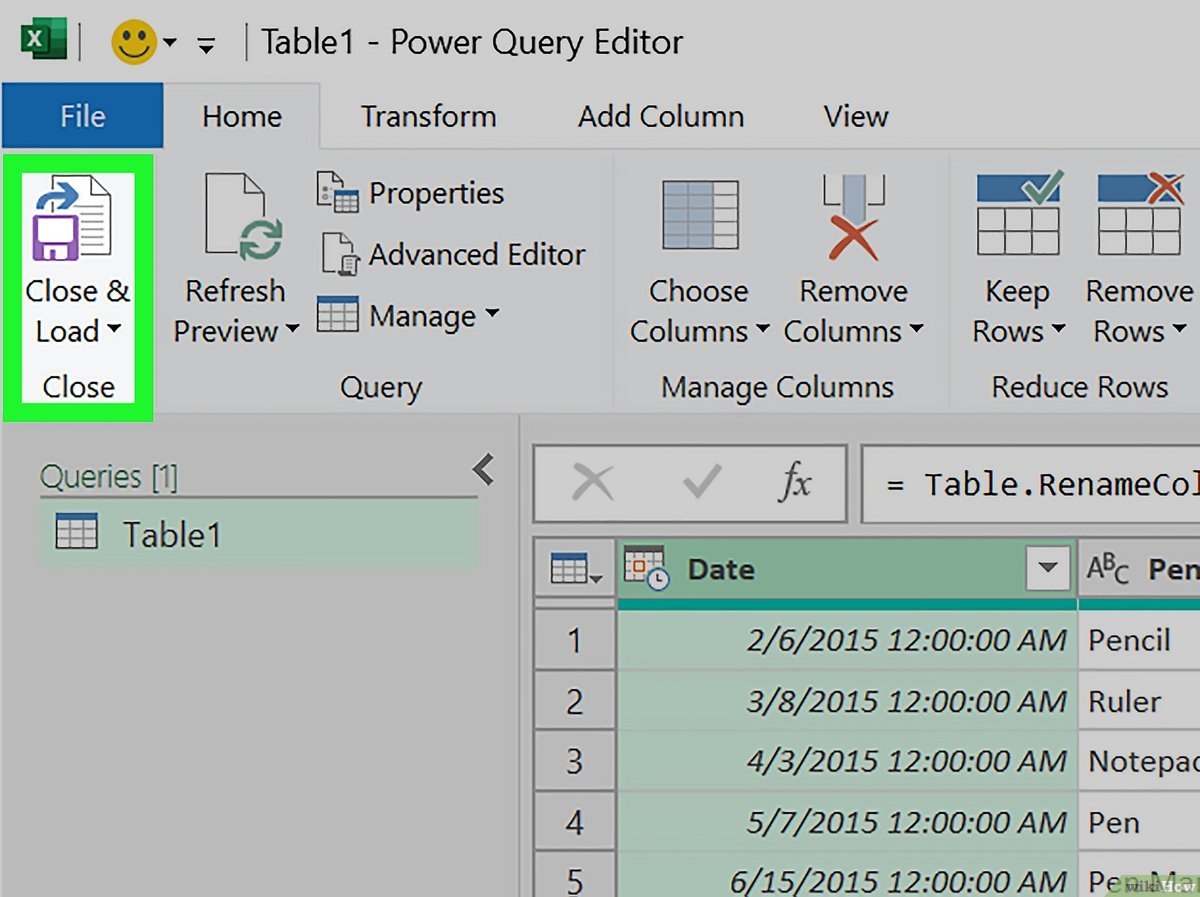
How To Add A Header Row In Excel 5 Simplest Methods