The Willy-Nicky Letters are a collection of correspondence between two of the most influential leaders of the early 20th century: Kaiser Wilhelm II of Germany and Tsar Nicholas II of Russia. These letters, exchanged between 1894 and 1914, provide a unique glimpse into the thoughts, feelings, and motivations of two men who played a significant role in shaping the course of history. For students studying this period, the Willy-Nicky Letters offer a fascinating case study in international relations, diplomacy, and the complexities of royal relationships.
As students delve into the world of the Willy-Nicky Letters, they are often tasked with completing worksheets that test their understanding of the historical context and the content of the letters themselves. Finding accurate and comprehensive answers to these worksheet questions can be a challenge, especially for those who are new to the subject. Fortunately, with the right resources and guidance, students can gain a deeper appreciation for the significance of the Willy-Nicky Letters and how they contributed to the outbreak of World War I.
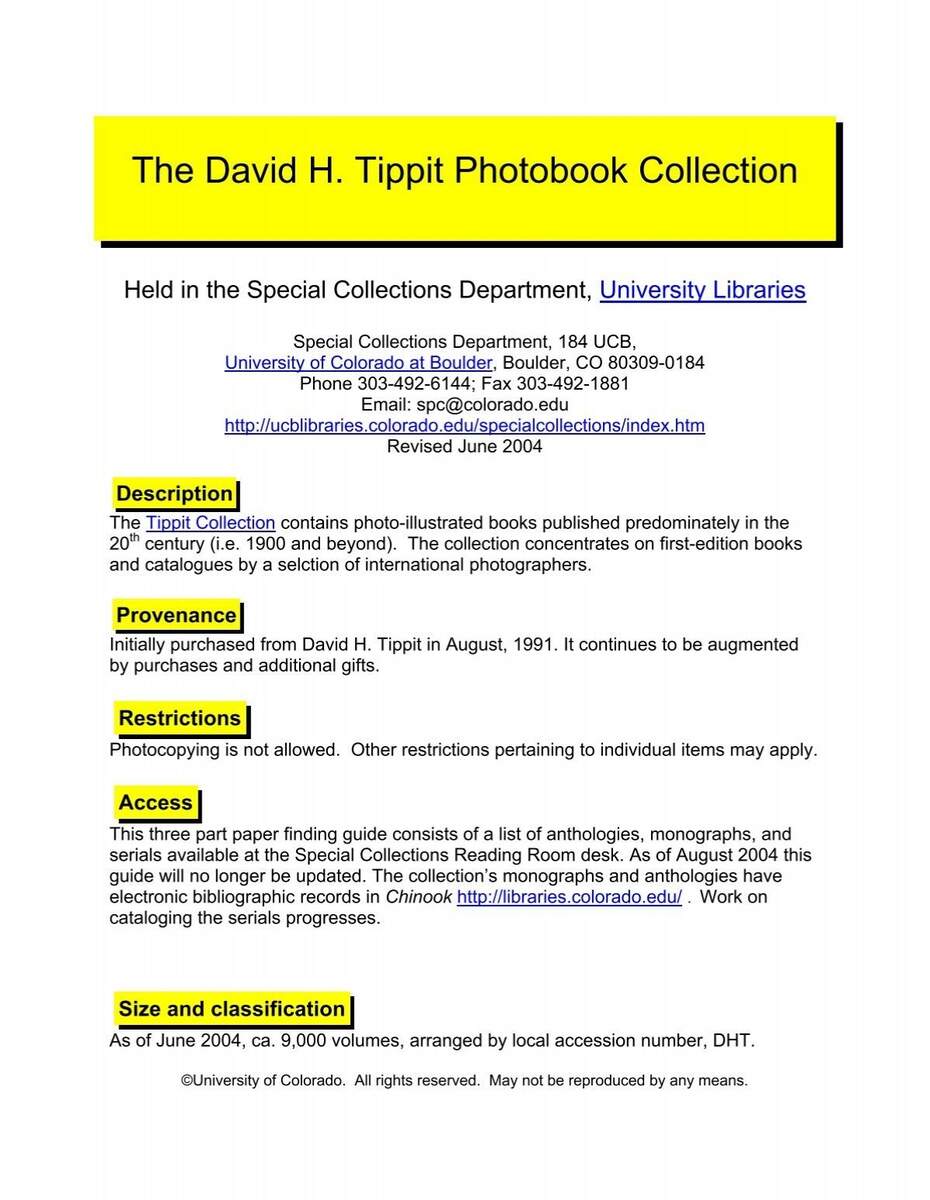
The David H Tippit Photobook Collection University Libraries
Understanding the Willy-Nicky Letters
The Willy-Nicky Letters are more than just a collection of historical documents – they are a window into the minds of two leaders who were instrumental in shaping the course of modern history. By examining the letters and their context, students can gain a better understanding of the complex web of alliances and rivalries that characterized European politics in the early 20th century. The letters also offer insights into the personalities and motivations of the two leaders, revealing a fascinating dynamic of friendship, loyalty, and ultimately, betrayal.
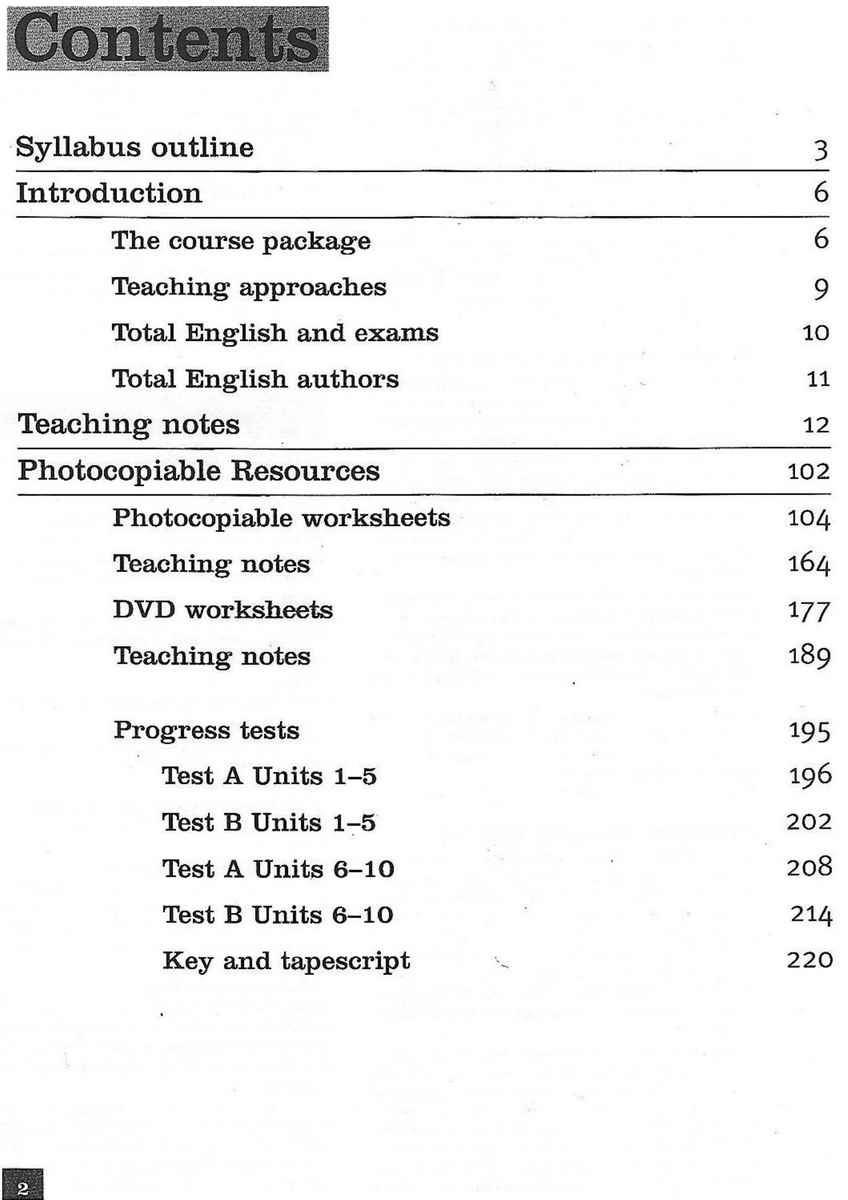
Coursebook Contents English Language Learning
Historical Context and Significance
The historical context in which the Willy-Nicky Letters were written is crucial to understanding their significance. The late 19th and early 20th centuries were a time of great upheaval and change in Europe, with the rise of nationalism, imperialism, and militarism creating an increasingly volatile atmosphere. Against this backdrop, the correspondence between Kaiser Wilhelm II and Tsar Nicholas II takes on a new level of importance, highlighting the tensions and contradictions that ultimately led to the outbreak of World War I.
Analyzing the Letters and Worksheet Answers
For students working on worksheets related to the Willy-Nicky Letters, analyzing the letters themselves is a critical step in gaining a deeper understanding of the historical context and significance. By carefully reading and interpreting the letters, students can identify key themes and motifs, such as the complex relationship between the two leaders, the role of diplomacy and international relations, and the growing tensions that ultimately led to war. With the right guidance and resources, students can develop a nuanced and informed understanding of this pivotal moment in history.
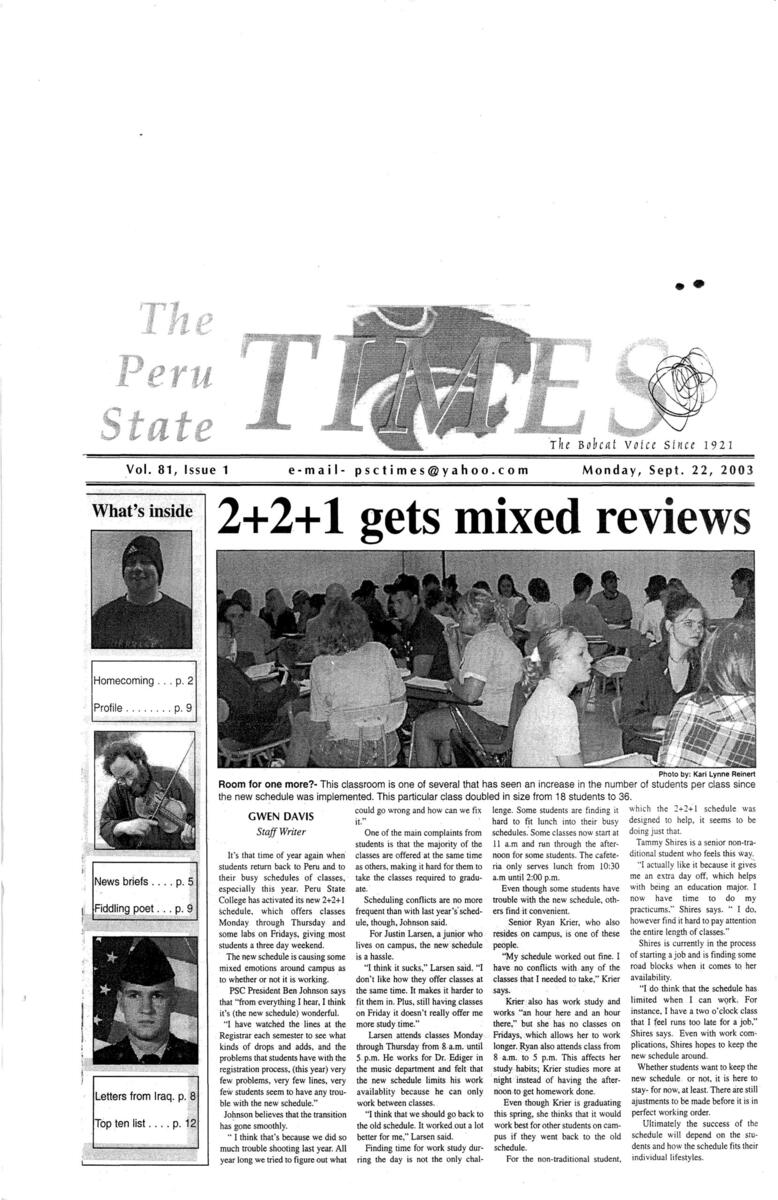
2003 2004 Peru State Times Peru NE Issues 1 10 By Peru State College Library Issuu
By exploring the Willy-Nicky Letters and their historical context, students can develop a richer understanding of the events that shaped the modern world. Whether working on worksheets, researching papers, or simply exploring the subject out of curiosity, the Willy-Nicky Letters offer a fascinating glimpse into the past, revealing the complexities and contradictions of human history. With accurate and comprehensive answers to worksheet questions, students can unlock a deeper appreciation for this critical period in history and gain a new perspective on the world we live in today.
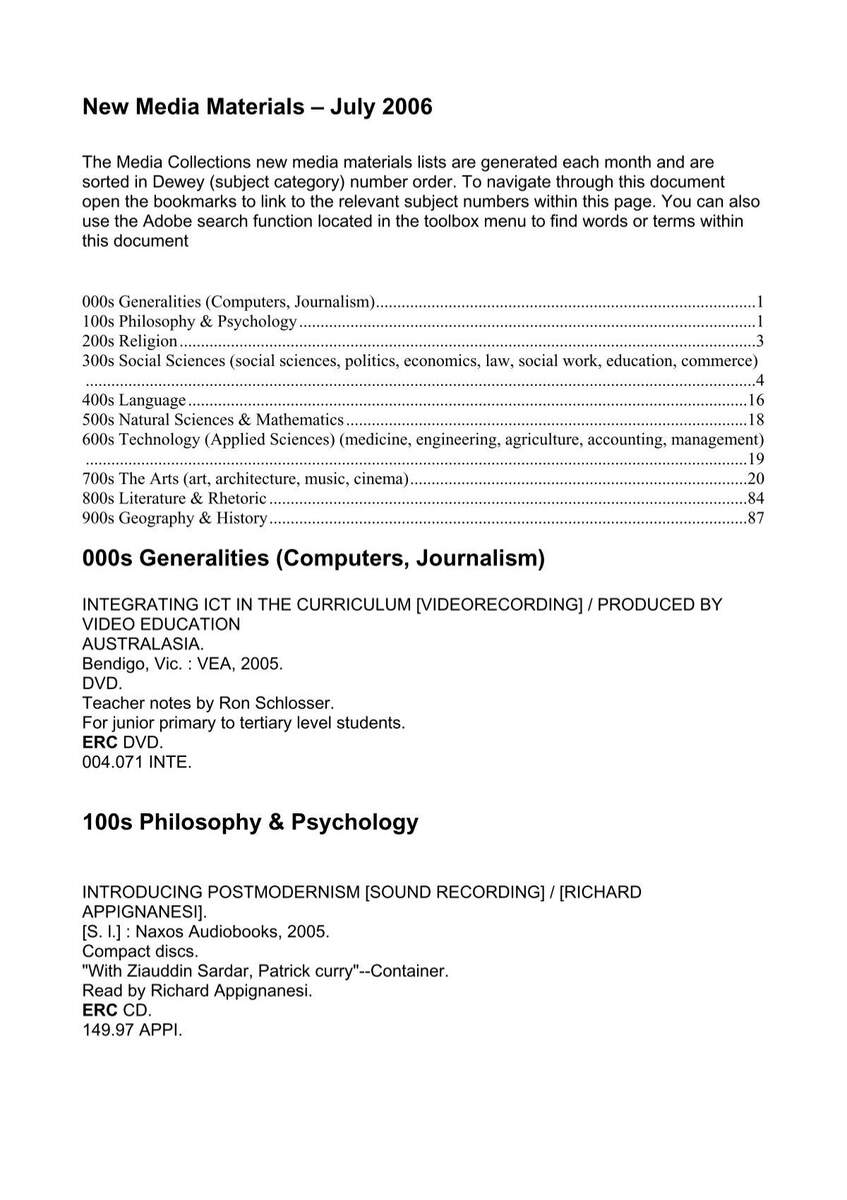
INTEGRATING ICT IN THE CURRICULUM VIDEORECORDING
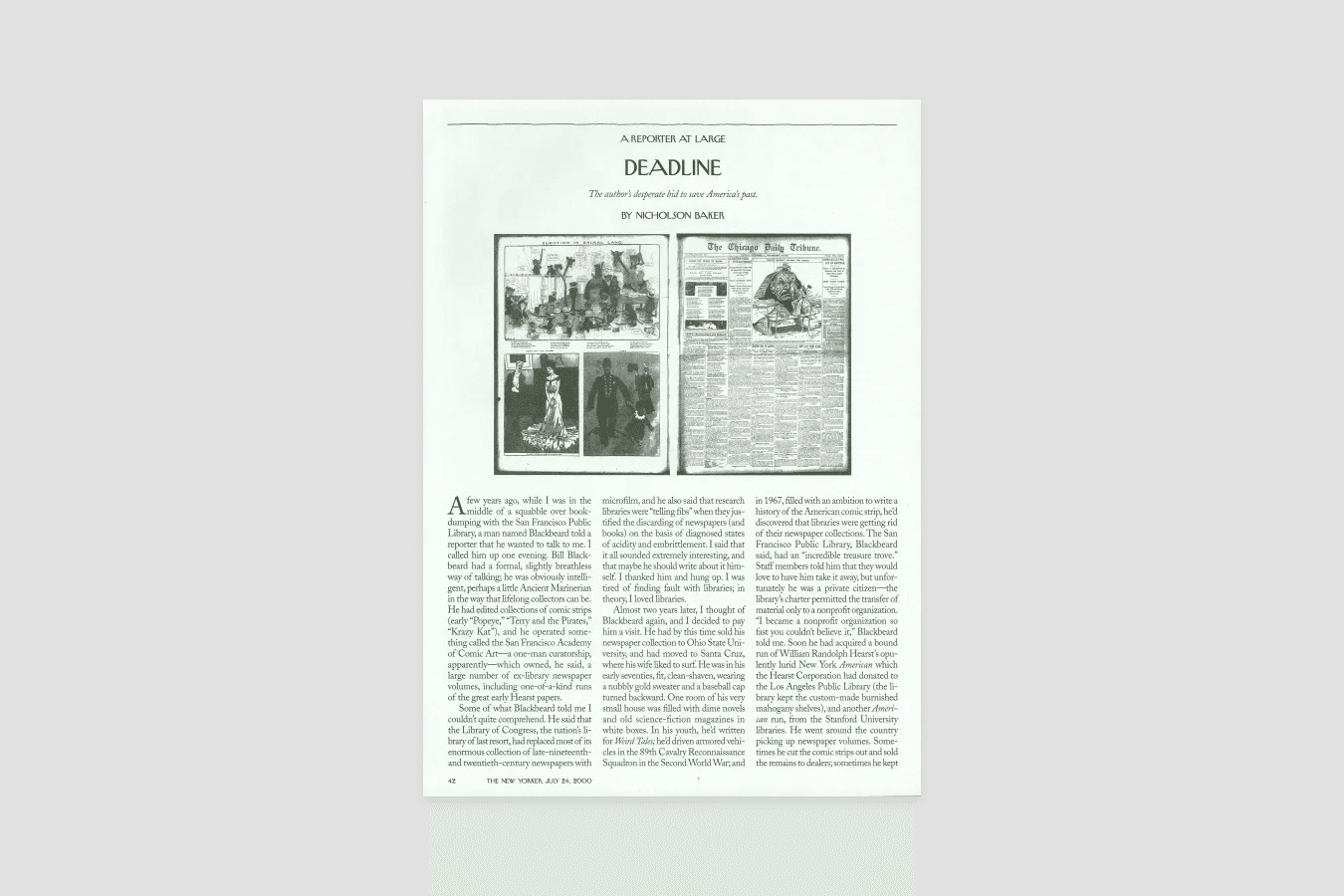
Deadline The New Yorker