Martin Luther King Jr’s Letter from Birmingham Jail is one of the most iconic documents of the civil rights movement. Written in 1963, the letter was a response to a statement made by eight white Alabama clergymen, who criticized King’s actions as untimely and unwise. The letter not only addressed the concerns of these clergymen but also provided a powerful justification for the civil rights movement, highlighting the injustices faced by African Americans and the need for immediate action.
The letter’s significance extends beyond its historical context, as it continues to inspire and educate people about the importance of standing up against injustice and fighting for equality. The document’s themes of justice, morality, and the role of individuals in creating change are timeless and universal, making it a crucial teaching tool in classrooms today. A worksheet based on the letter can help students delve deeper into its meaning and relevance, fostering critical thinking, empathy, and a deeper understanding of the civil rights movement.
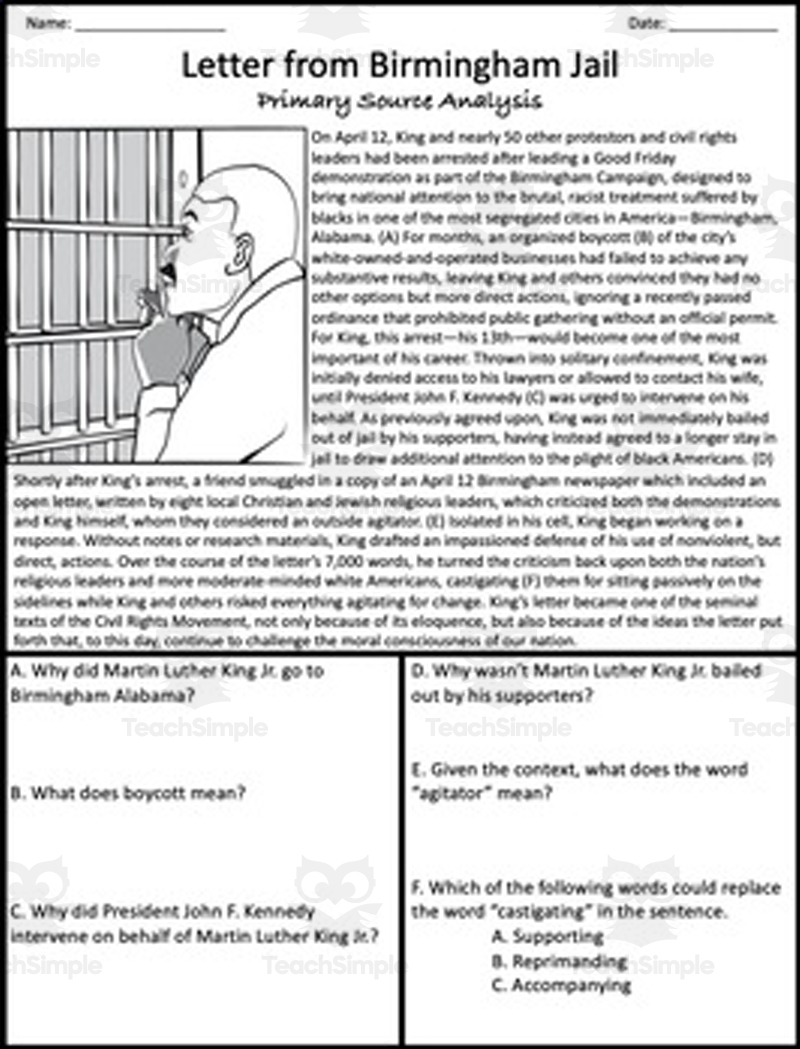
MLK Jr S Letter From A Birmingham Jail Primary Source Analysis By Teach Simple
Historical Context of the Letter
Understanding the historical context in which the letter was written is essential to grasping its full significance. The city of Birmingham, Alabama, was a major battleground in the civil rights movement, with African Americans facing severe racial segregation and violence. King’s presence in the city and his subsequent arrest for participating in a nonviolent protest led to the writing of the letter. A worksheet can guide students through this context, exploring how historical events influenced the letter’s content and the strategies employed by the civil rights movement.
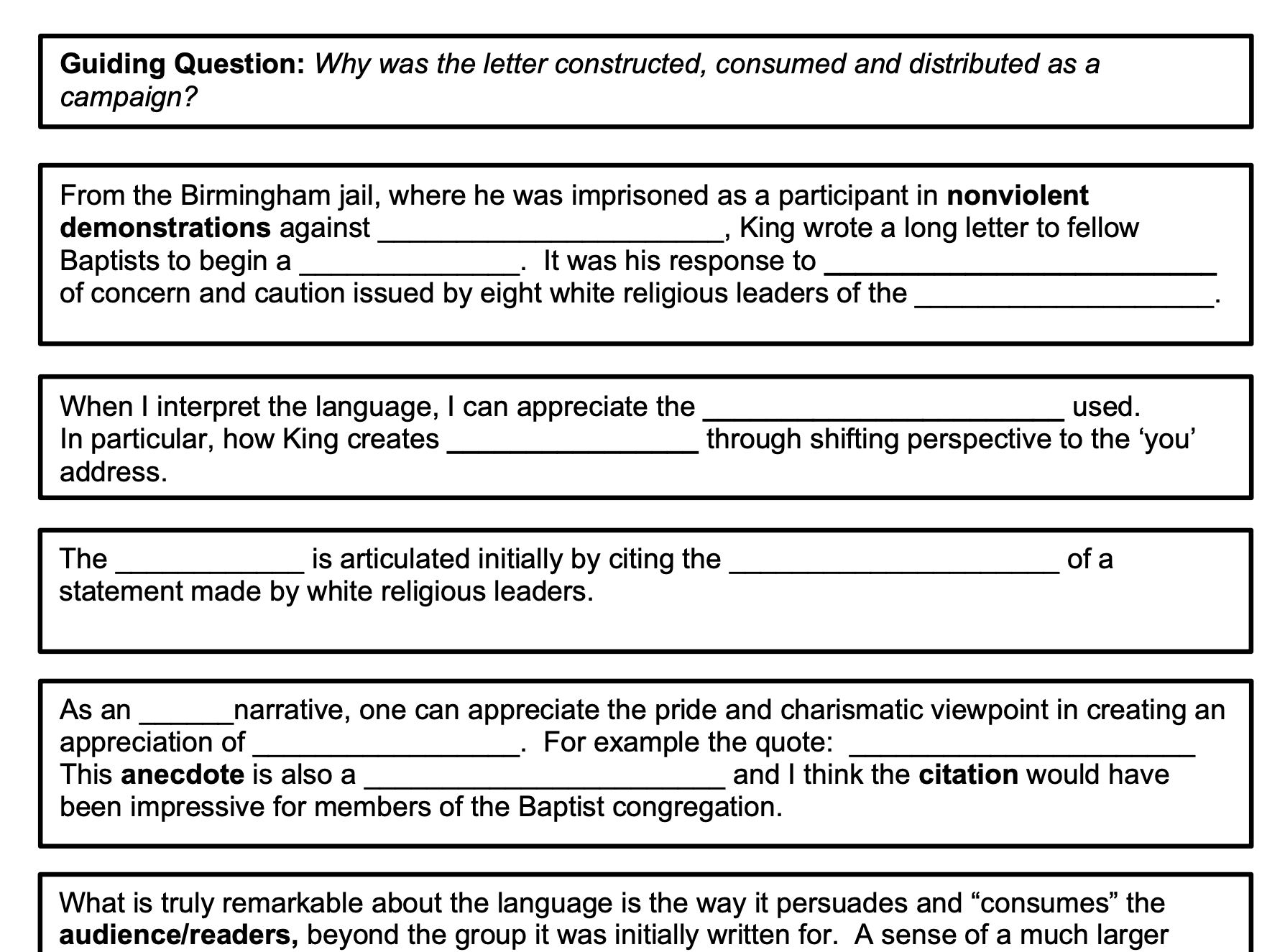
Letter From Birmingham Jail Teaching Resources
Key Themes and Messages
The letter conveys several key themes and messages that were central to the civil rights movement. King argued for the moral imperative of ending segregation, emphasizing the importance of nonviolent civil disobedience as a means to achieve social change. He also addressed the criticism that his actions were too radical, explaining that the urgent need for equality could not be delayed. A worksheet can help students identify and analyze these themes, considering how they relate to contemporary issues of justice and equality.
Teaching the Letter with a Worksheet
Teaching the Letter from Birmingham Jail with a worksheet offers educators a versatile tool to engage students with this critical piece of American history. The worksheet can include a variety of activities, such as reading comprehension questions, critical thinking exercises, and reflective prompts. These can help students not only understand the letter’s content but also appreciate its ongoing relevance and impact. By exploring the letter in a structured and interactive way, students can develop a deeper appreciation for the civil rights movement and the power of individual action in creating social change.
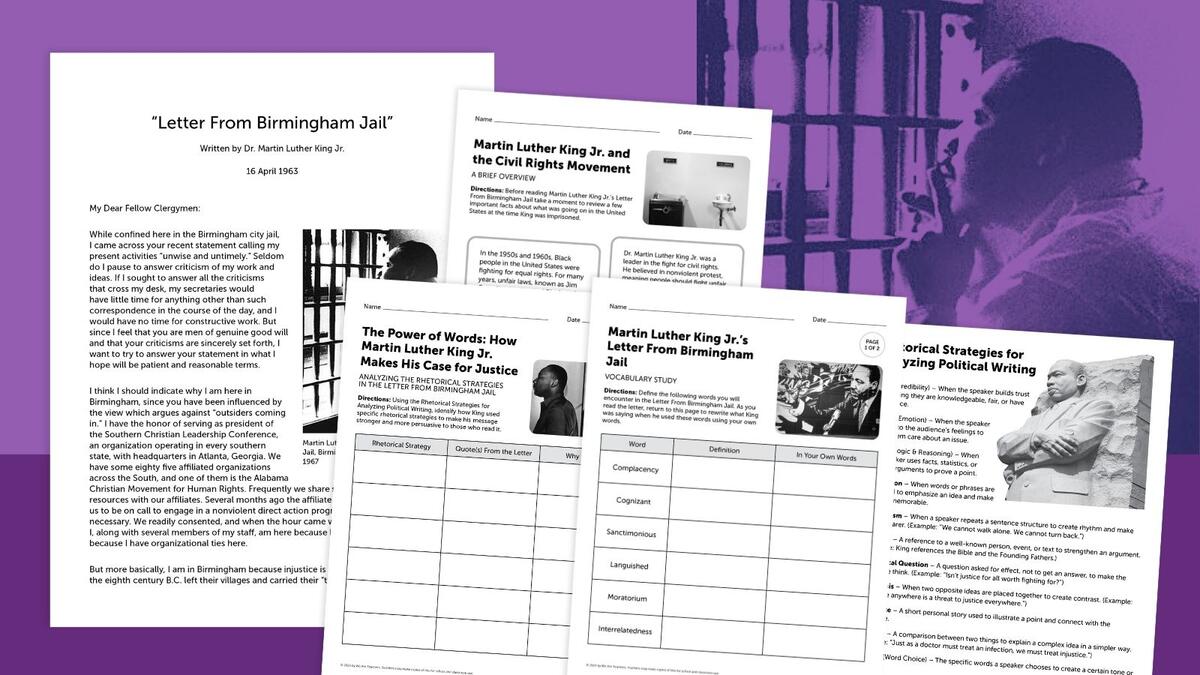
MLK Jr S Letter From Birmingham Jail Worksheet Bundle
Incorporating a Martin Luther King Jr Letter from Birmingham Jail worksheet into educational curricula can have a profound impact on students’ understanding of history, social justice, and personal responsibility. As students navigate the complexities of the letter and its historical context, they are encouraged to think critically about the role of individuals in society and the importance of standing up for what is right, even in the face of adversity. This educational approach not only honors the legacy of Martin Luther King Jr but also empowers future generations to continue striving for a more just and equitable world.
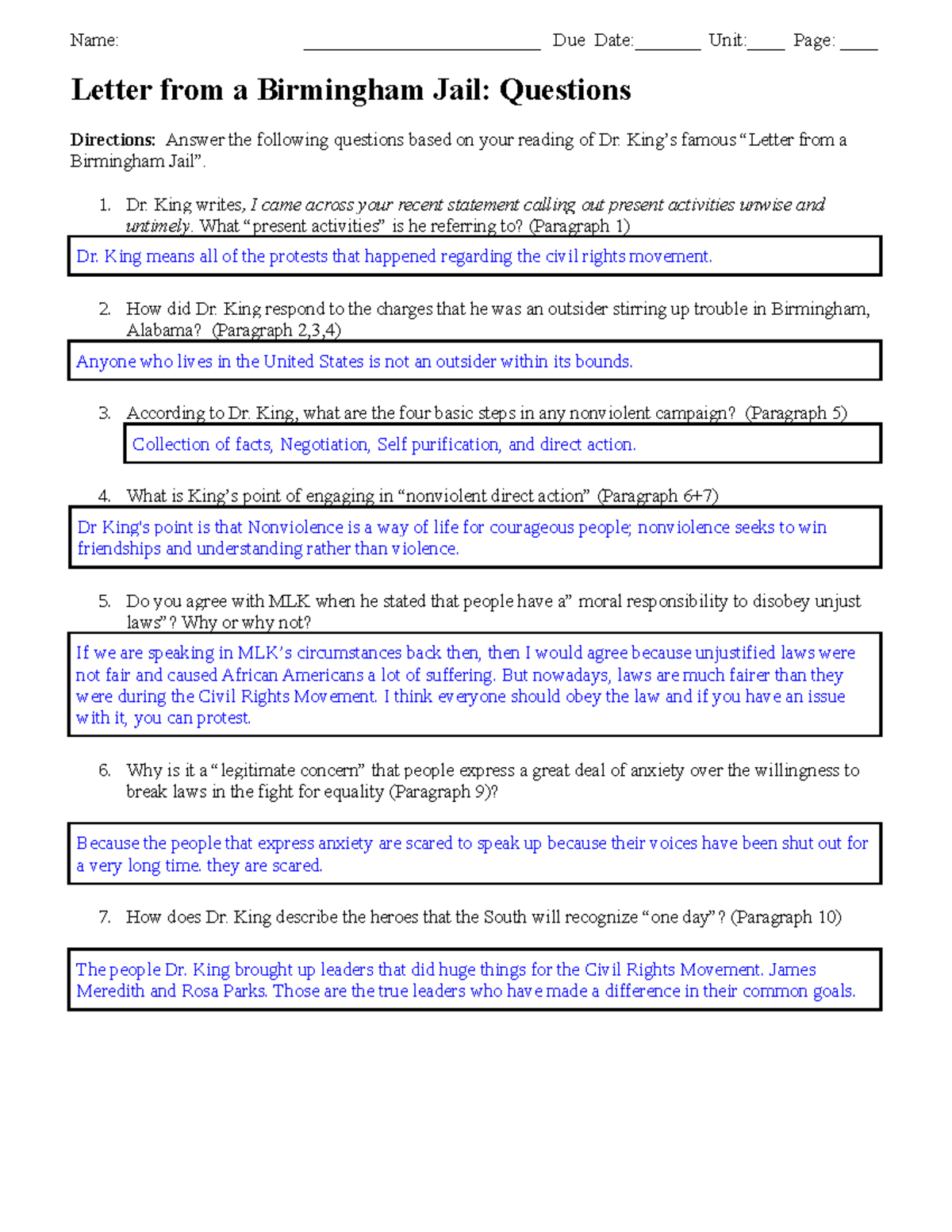
Letter From Birmingham Jail Questions Analysis Reflection NG Studocu
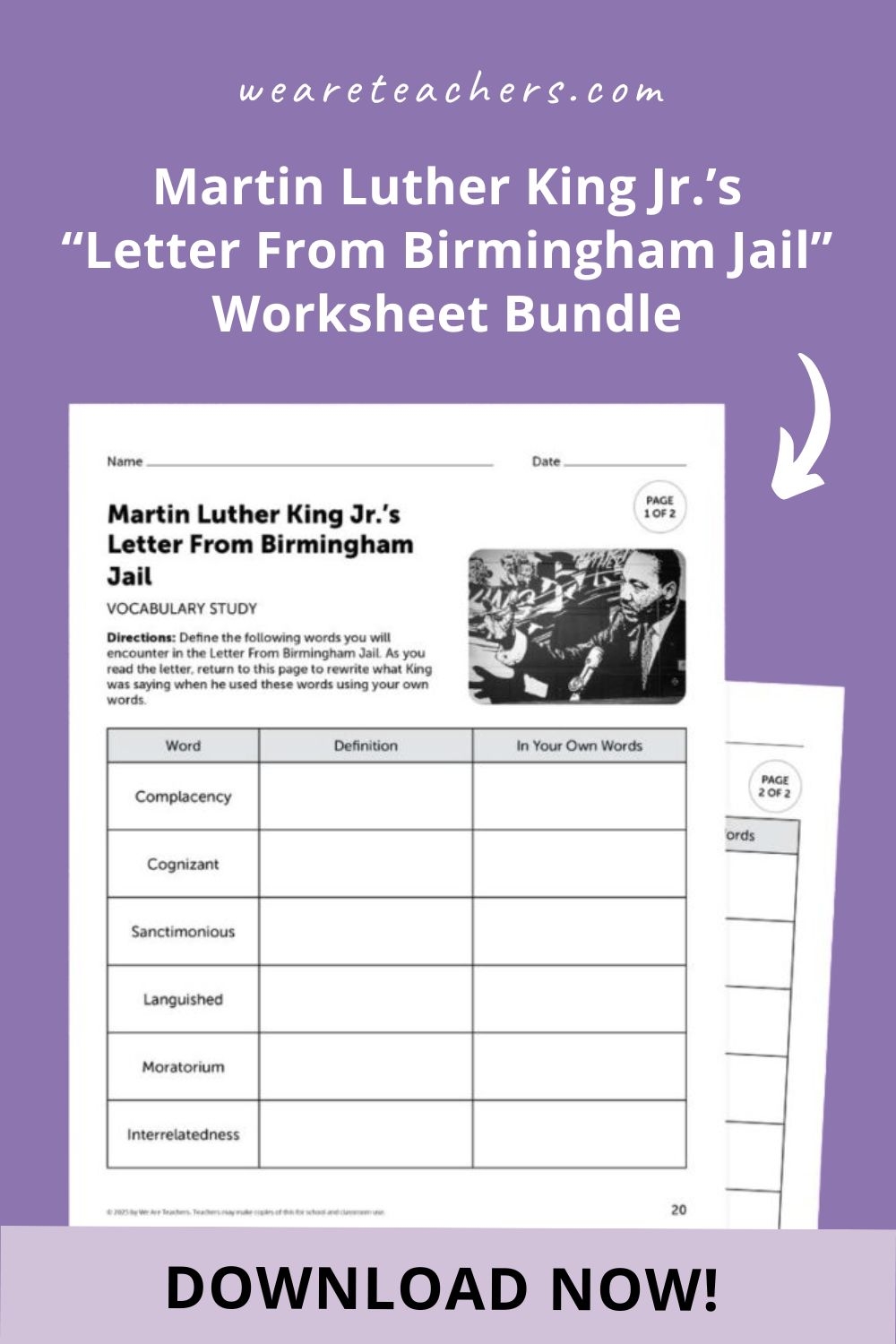
MLK Jr S Letter From Birmingham Jail Worksheet Bundle