The Cold War was a time of great tension and fear in the United States, with the threat of communism looming large. It was during this era that Senator Joseph McCarthy rose to prominence, leveraging his platform to accuse countless individuals of being communist sympathizers or spies. One of the most significant events of this period was McCarthy’s letter to President Harry Truman, which has become a focal point of study for historians and students alike.
For those looking to learn more about this pivotal moment in American history, worksheet answers can provide valuable insight into the context and significance of McCarthy’s letter. By examining the historical background and the content of the letter itself, individuals can gain a deeper understanding of the motivations and implications behind McCarthy’s actions. This knowledge can also shed light on the lasting impact of the McCarthy era on American politics and society.
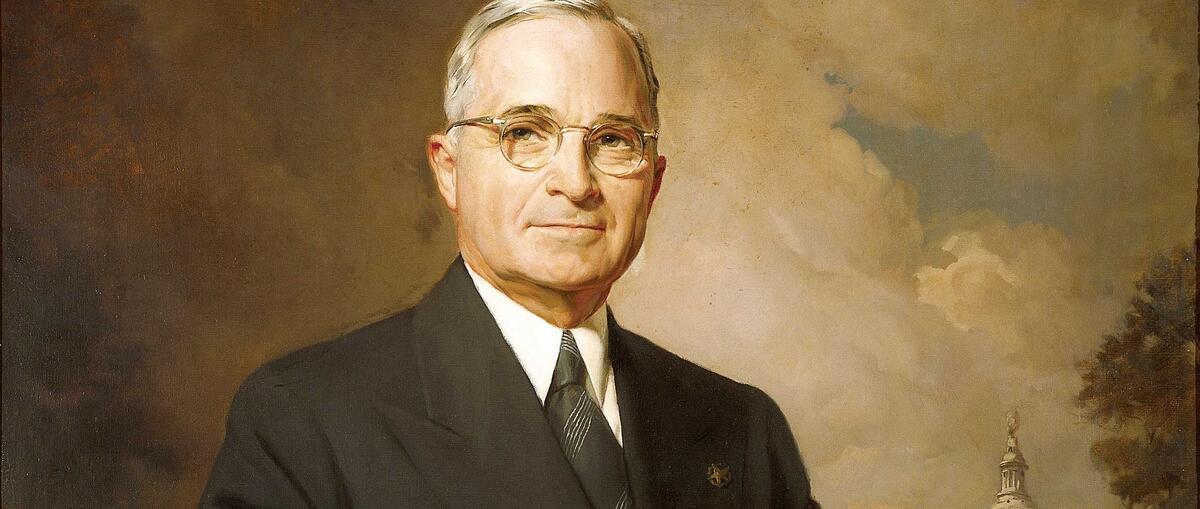
President Truman S Confrontation With McCarthyism Harry S Truman
Historical Context: Understanding the McCarthy Era
The McCarthy era was marked by a climate of fear and paranoia, with the senator’s accusations sparking a wave of hysteria and repression. To understand the historical context of the letter, it is essential to consider the broader social and political landscape of the time. The post-war period saw a significant shift in the global balance of power, with the United States emerging as a dominant world leader. However, this newfound influence was accompanied by a growing sense of unease and insecurity, as the threat of communism seemed to loom large.
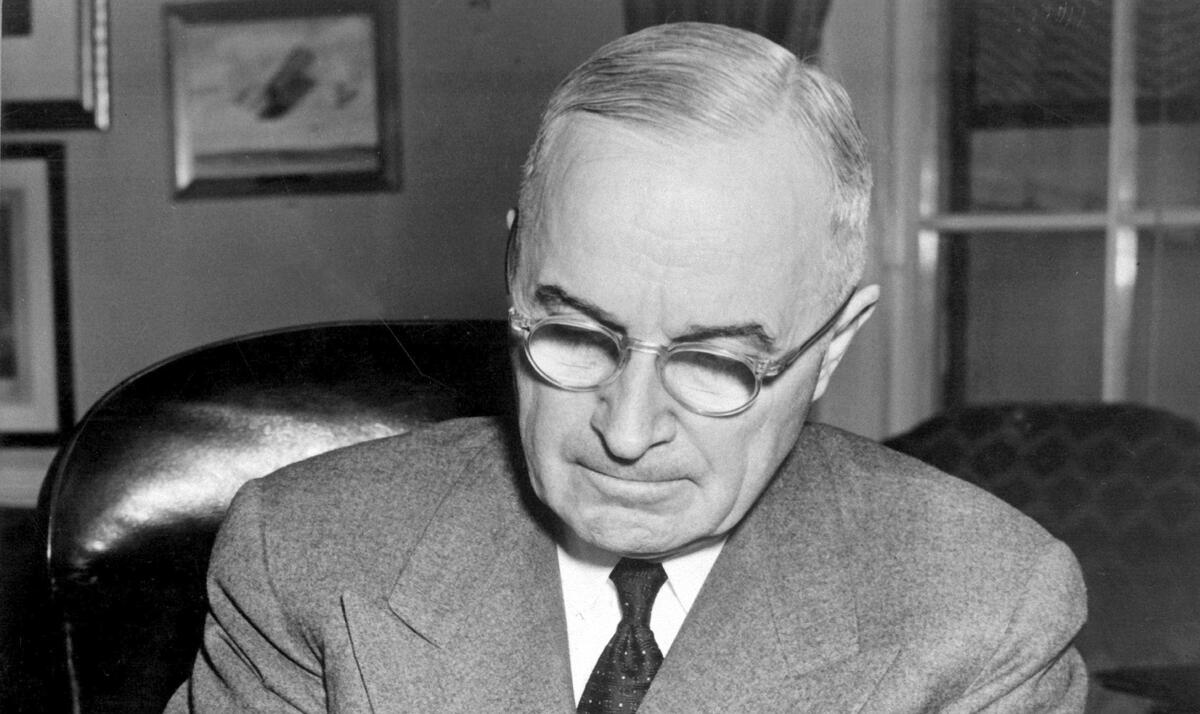
Annual Message To Congress 1946 Teaching American History
The Letter: Unpacking the Content and Tone
McCarthy’s letter to President Truman was a scathing critique of the administration’s handling of communist infiltration. The letter itself was a masterclass in rhetorical manipulation, using emotive language and cleverly crafted arguments to make the case for a more aggressive approach to rooting out communist sympathizers. By examining the content and tone of the letter, it is possible to gain insight into McCarthy’s motivations and the ways in which he sought to shape public opinion and influence policy.
Impact and Legacy: How the Letter Shaped American Politics
The impact of McCarthy’s letter was far-reaching, contributing to a climate of fear and repression that would have lasting consequences for American politics and society. The letter helped to fuel the Red Scare, leading to a wave of blacklists, firings, and prosecutions that would devastate the lives of countless individuals. The legacy of the McCarthy era can still be felt today, with ongoing debates about the balance between national security and individual freedoms. By studying the letter and its aftermath, individuals can gain a deeper understanding of the complexities and challenges of this period in American history.
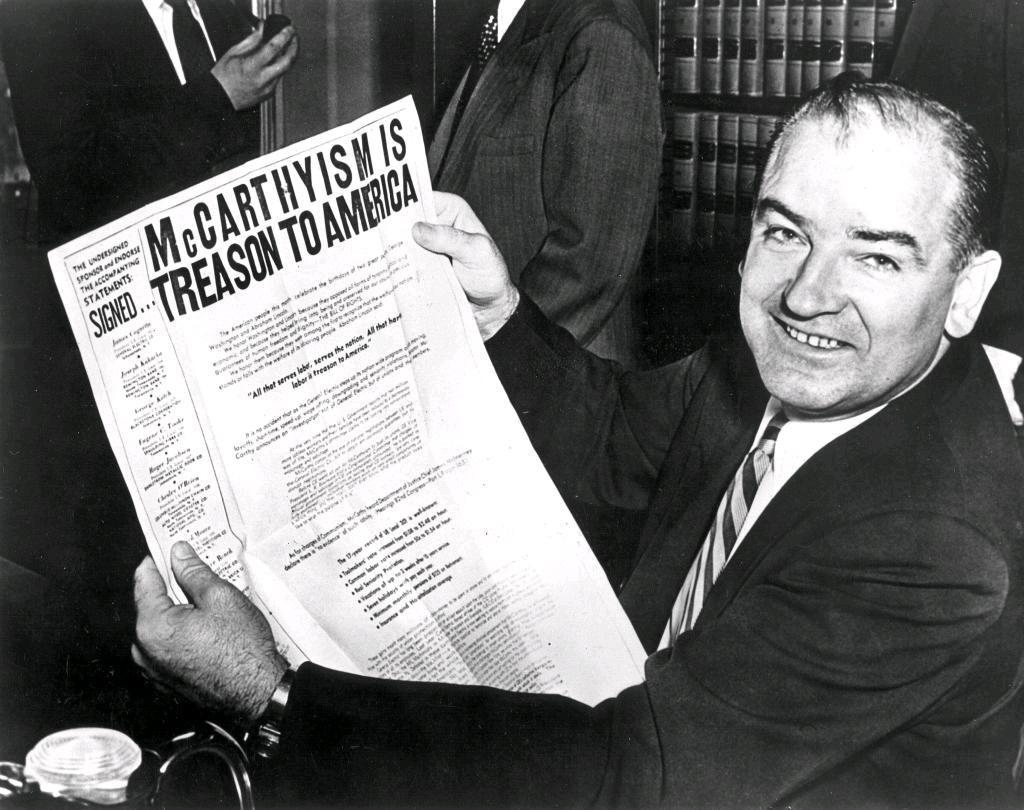
Joseph R McCarthy A Speech Against Harry S Truman The NYPR Archive Collections WNYC
For those seeking to learn more about Sen. Joseph McCarthy’s letter to President Truman, worksheet answers can provide a valuable starting point. By exploring the historical context, the content of the letter, and the impact of McCarthy’s actions, individuals can develop a nuanced understanding of this pivotal moment in American history. Whether you are a student, a historian, or simply someone interested in learning more about the McCarthy era, delving into the significance of the letter can be a rewarding and enlightening experience.
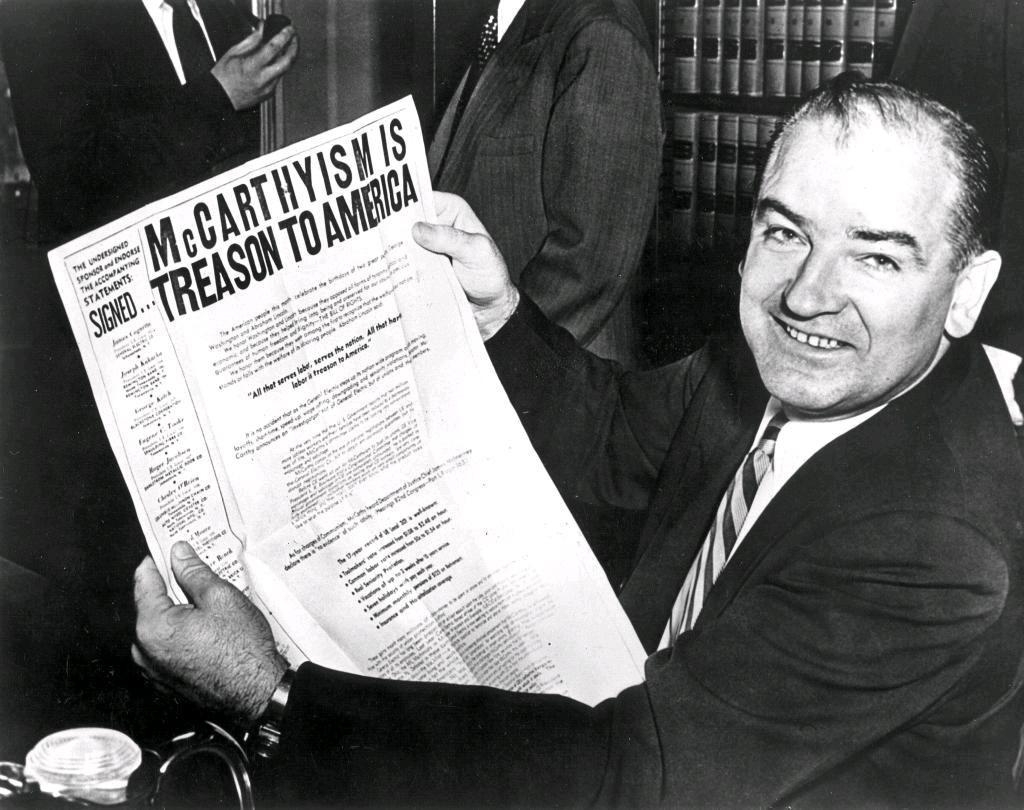
Joseph R McCarthy A Speech Against Harry S Truman The NYPR Archive Collections WNYC
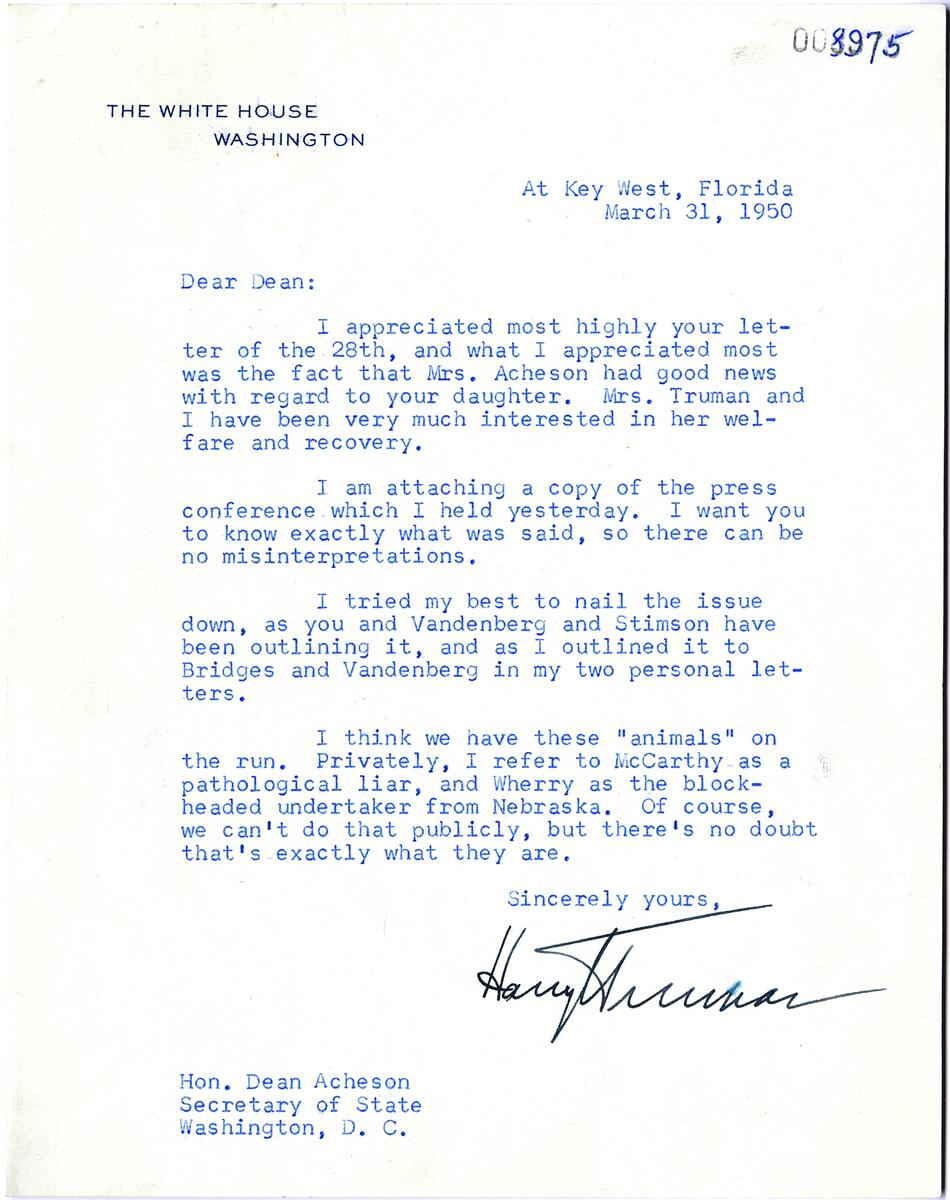
Harry S Truman Responds To McCarthy 1950 Gilder Lehrman Institute Of American History